 Pin it
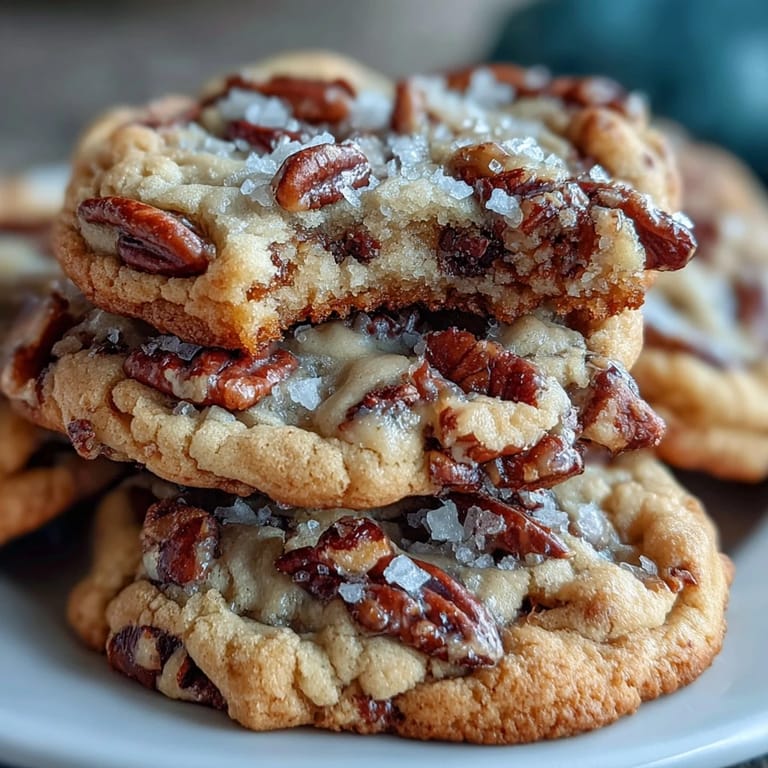
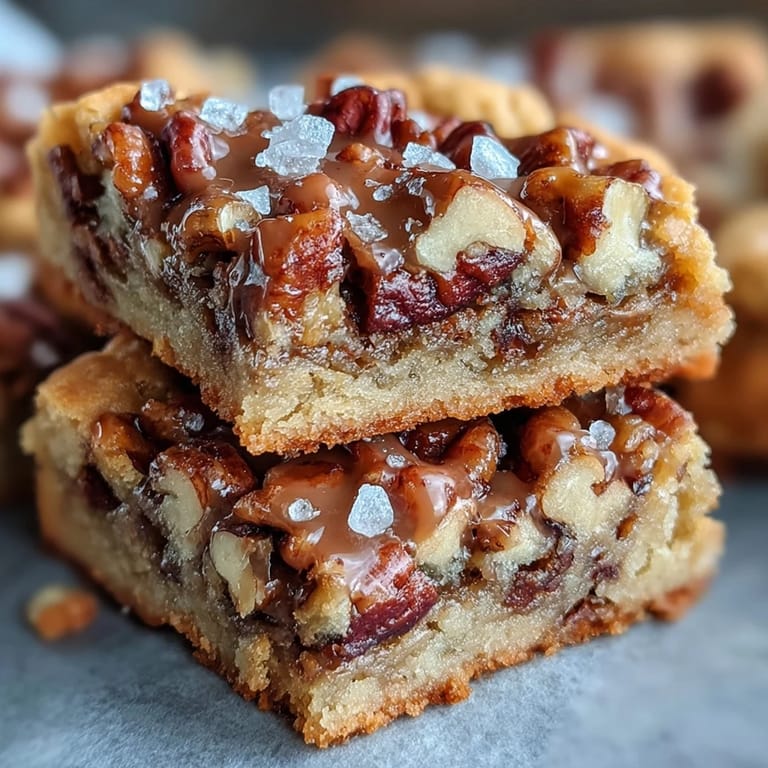
 There's a particular kind of kitchen magic that happens when butter transforms—when it stops being pale and innocent and turns into something rich, nutty, and deeply golden. I discovered that magic while testing cookie recipes on a rainy afternoon, and the moment brown butter touched my tongue, everything changed. These butter pecan cookies landed on my table almost by accident, but they've stayed there ever since, becoming the kind of treat I make when I want to impress someone or simply remind myself why I love baking.
I'll never forget making these for my neighbor's book club last spring—she took one bite and immediately asked for the recipe, then admitted she'd been avoiding homemade cookies because store-bought felt safer. Watching her confidence shift from skeptical to delighted while she bit into that buttery, nutty warmth reminded me that the best recipes aren't about complexity, they're about the moment when someone tastes genuine care in every bite.
Ingredients
- Unsalted butter (1 cup): This is your foundation, and browning it unlocks flavors that regular melted butter simply cannot reach—the solids caramelize and create that hazelnut-like depth you'll taste in every bite.
- All-purpose flour (2 1/4 cups): Measure by spooning and leveling for accuracy, as packing the cup can make cookies dense instead of tender.
- Baking soda (1 teaspoon): Works with the brown sugar's acidity to create that perfect tender crumb and subtle chewiness at the edges.
- Fine sea salt (1/2 teaspoon): Balances sweetness and enhances the nuttiness without being noticeable as saltiness.
- Brown sugar and granulated sugar (1 cup + 1/2 cup): The combination of both creates moisture and complexity—brown sugar brings richness, while granulated sugar helps spread and crispness.
- Eggs (2 large, room temperature): Room temperature eggs incorporate more smoothly, creating a better emulsion and lighter texture throughout the dough.
- Vanilla extract (2 teaspoons): Pure vanilla is worth the small extra cost; imitation can taste sharp when brown butter's delicate notes are the star.
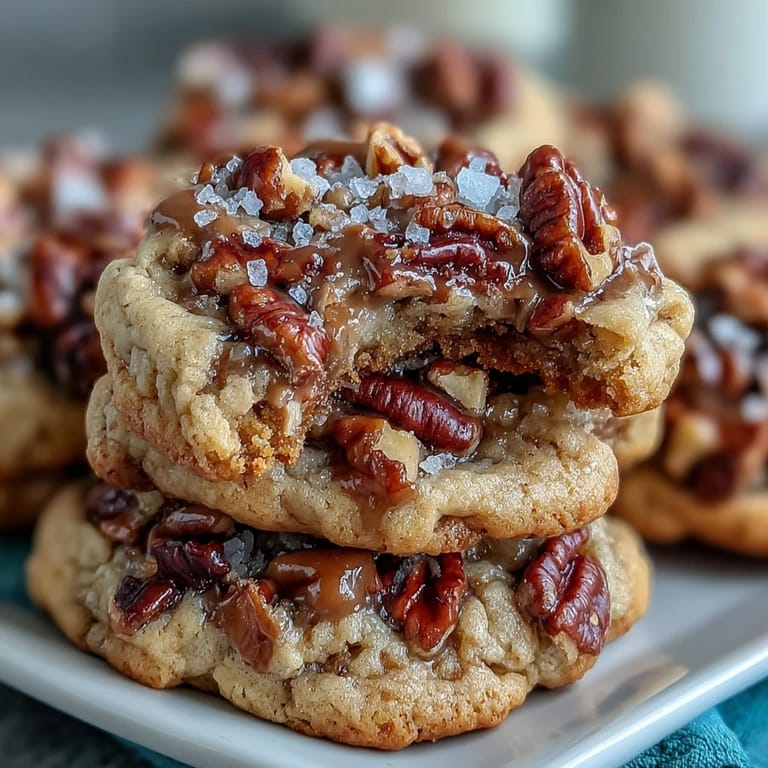
- Toasted pecan halves (1 1/2 cups): Toasting yourself makes an enormous difference—store-bought toasted pecans fade, but fresh-toasted ones deliver crackling, warming flavor that gets even better when baked.
- Flaky sea salt (for finishing): Maldon salt's large, delicate flakes dissolve slowly on your tongue, giving unexpected bursts of contrast against the sweet cookie.
Tired of Takeout? 🥡
Get 10 meals you can make faster than delivery arrives. Seriously.
One email. No spam. Unsubscribe anytime.
Instructions
- Brown the butter and listen for the shift:
- Melt butter over medium heat and watch it carefully—you'll see it foam up, then the foam will sink slightly and those beautiful golden-brown solids will appear at the bottom. The moment it smells like toasted hazelnuts, it's done; another 30 seconds too long and it tips into burnt. Pour it into your mixing bowl and let it cool while you handle the next steps—you want it room temperature, not hot.
- Toast your pecans while the butter rests:
- Spread them on a baking sheet and slide into a 350°F oven for 6–8 minutes, stirring halfway through so they toast evenly. Your nose will tell you when they're ready—that warm, almost caramel-like aroma is your signal. Cool them completely before chopping, or they'll be too soft to handle.
- Combine brown butter with both sugars:
- Once the butter has cooled, add both sugars and beat until the mixture looks slightly fluffy and lighter in color, about 2–3 minutes. This beats air into the dough, which helps cookies spread just the right amount and stay tender.
- Add eggs one at a time, fully incorporating each:
- Drop in the first egg, mix until you don't see streaks of yolk, then add the second. This prevents a broken emulsion that would make the dough greasy. Follow with vanilla and mix until smooth.
- Combine wet and dry ingredients gently:
- Whisk flour, baking soda, and fine sea salt together in a separate bowl, then add to the wet mixture in two additions. Stir just until you don't see dry flour streaks—overmixing develops gluten and makes cookies tough instead of tender. Fold in the toasted pecans last.
- Shape cookies with intention and sea salt:
- Scoop dough (roughly 2 tablespoons per cookie) onto parchment-lined sheets, leaving 2 inches between each. Sprinkle a tiny pinch of flaky sea salt on top of each—the salt will press slightly into the warm dough as it bakes and create those little flavor bursts.
- Bake until edges turn golden but centers still look soft:
- Bake 12–14 minutes; the cookies will look underdone in the very center, and that's exactly what you want. They continue cooking on the warm sheet for the first 5 minutes, so pull them out when you think they need just 60 more seconds. Transfer to a cooling rack after 5 minutes to stop the cooking process.
 Pin it
 My sister called me on a random Tuesday last winter and said these cookies tasted like the kind of thing you'd find in a fancy bakery, but that she'd made them in her apartment with a hand mixer and pure determination. That's when I realized these aren't just cookies—they're proof that accessible ingredients and a little bit of care create something that feels genuinely special.
The Brown Butter Factor
Brown butter is transformative in ways that feel almost unfair—it takes a basic ingredient and gives it complexity that usually requires multiple flavorings. The nutty, toasted quality comes from milk solids caramelizing, creating compounds that taste vaguely of hazelnuts and toffee. Once you start browning butter intentionally, you'll find yourself doing it for pancakes, cakes, and brown butter cookies become the reason you bought a saucepan in the first place.
Why Pecan Toasting Matters
There's a noticeable gap between raw pecans and toasted pecans that you won't understand until you taste them side by side. Toasting wakes up the natural oils and creates warm, almost woody flavors that get amplified when baked into a cookie. Coarsely chopped toasted pecans also create little pockets of texture that make you pause mid-bite and appreciate the work you put in.
Storage, Sharing, and Small Moments
These cookies stay fresh in an airtight container for up to 5 days, though they rarely last that long in my house. They're excellent alongside morning coffee, perfect for bringing to someone's house when you want to show up with something genuine, and somehow better on day two when flavors have settled. They also freeze beautifully—bake them, cool completely, then freeze in a single layer before transferring to a freezer bag for up to three months.
- If you prefer thinner, crispier cookies, bake for the full 14 minutes; if you like them chewy, start checking at 12 minutes.
- Walnuts, hazelnuts, or even almonds work beautifully if pecans aren't your preference—toast whatever nut you choose for the best results.
- The flaky sea salt isn't optional if you want the full experience; it's the ingredient that makes people ask what makes these different from other butter cookies.
 Pin it
 These cookies are the kind that remind you why you started baking in the first place—they're simple enough that you can make them on a whim, but sophisticated enough that they feel like a small gift to yourself or anyone lucky enough to eat one. Every time someone tastes them, there's this moment of genuine surprise, and that moment never gets old.
Recipe Q&A
- → How do you make the brown butter for these cookies?
Melt unsalted butter over medium heat, swirling often until it foams and turns golden brown with a nutty aroma, then cool before use.
- → Why toast the pecans before adding them?
Toasting enhances the nutty flavor and adds a crunchy texture, making the cookies more flavorful.
- → Can I use a different nut instead of pecans?
Yes, walnuts can be used as a substitute for a different but still rich nutty taste.
- → What is the purpose of sprinkling flaky sea salt on the dough?
The flaky sea salt adds a delicate salty contrast that balances the sweetness and highlights flavors.
- → How can I ensure even baking and soft centers?
Space dough scoops about 2 inches apart, bake until edges turn golden and centers look set, then cool on baking sheets briefly.
- → Is chilling the dough necessary?
Chilling for 1–2 hours is optional but can deepen flavors and improve dough handling.