 Pin it
 There's something almost magical about opening a can of tuna and transforming it into something that tastes like it simmered for hours. I discovered this soup on a rushed Tuesday evening when I had nothing in the fridge except pantry staples and a moment of inspiration. The kitchen filled with the smell of sautéed vegetables and herbs within minutes, and suddenly what felt like a make-do dinner became something I actually wanted to eat. It's become my go-to when time is short but cravings run deep.
I made this for my neighbor who had just moved in, and she was genuinely surprised when I told her the whole thing took less time than ordering delivery. We sat at her kitchen counter with steaming bowls, torn pieces of crusty bread dunked into the tomatoey broth, and she asked for the recipe before we'd even finished. That's when I realized this soup had become my quiet way of showing up for people.
Ingredients
- Tuna in olive oil: Buy the good stuff if you can—that oil becomes part of your flavor foundation, so it matters more than you'd think.
- Onion, garlic, carrot, and celery: This is your aromatic backbone; don't rush chopping them fine, as they'll melt into the broth and create depth.
- Canned diced tomatoes: San Marzano varieties have a sweeter edge that balances the saltiness of the tuna beautifully.
- Vegetable broth: Quality broth makes a surprising difference; homemade or low-sodium varieties won't overpower the delicate tuna flavor.
- Tomato paste: A spoonful concentrates the tomato essence and adds a subtle umami richness that ties everything together.
- Dried oregano and basil: These are Mediterranean anchors; they whisper rather than shout, so trust them to do their work.
- Olive oil: Use something you'd actually drizzle on bread, not the bottom-shelf bottle you hide in the back.
Tired of Takeout? 🥡
Get 10 meals you can make faster than delivery arrives. Seriously.
One email. No spam. Unsubscribe anytime.
Instructions
- Sauté your aromatics:
- Warm the olive oil over medium heat and let the onion, carrot, and celery soften for about five minutes—you're not browning them, just coaxing out their sweetness. When you can easily pierce them with a wooden spoon, you're ready to move on.
- Bloom the garlic and paste:
- Add the minced garlic and let it perfume the pan for just a minute, then stir in the tomato paste and cook it for another minute. This step deepens the flavor in a way that feels almost alchemical.
- Build your broth:
- Pour in the canned tomatoes and broth, add your oregano, basil, and red pepper flakes if using, and stir everything together gently. You should hear a soft sizzle as the liquids hit the hot pan.
- Let it simmer gently:
- Bring the soup to a boil, then reduce the heat immediately and let it bubble softly for eight to ten minutes until the vegetables are completely tender. Taste a piece of carrot to know when you're there.
- Fold in the tuna:
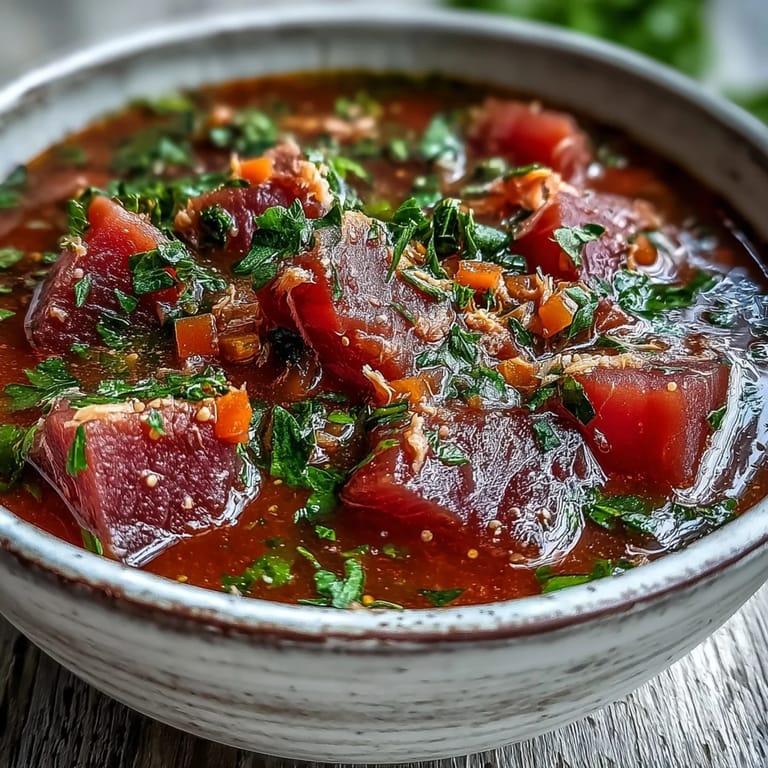
- Break the drained tuna into flakes with your fingers and scatter it over the soup, stirring gently to distribute it evenly. Let it warm through for just two to three minutes—overheating tuna is the only real mistake you can make here.
- Taste and season:
- Add salt and pepper slowly, remembering that canned tuna and broth both carry their own saltiness. Taste as you go, and don't be shy about a final grind of black pepper.
- Serve with intention:
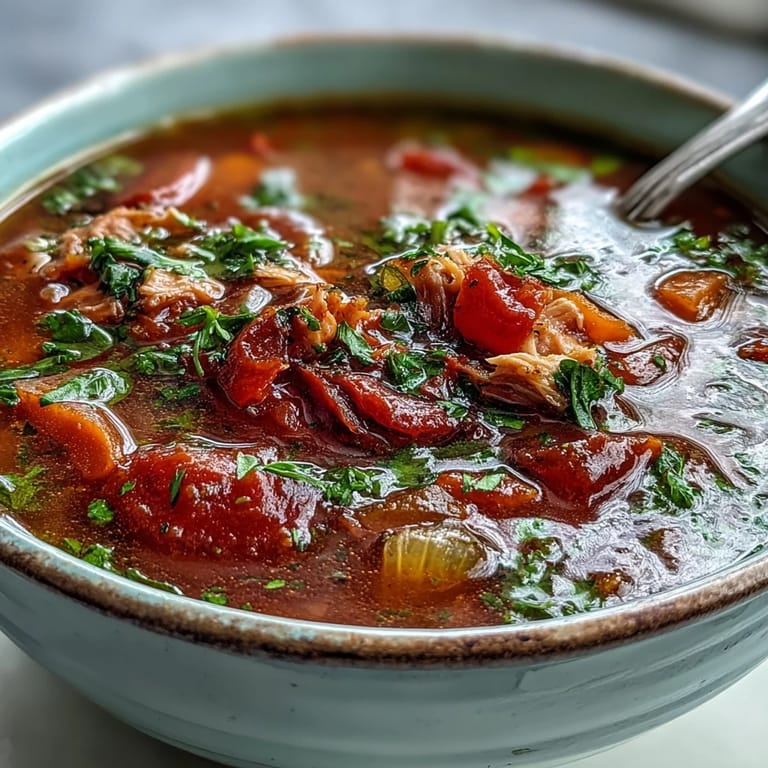
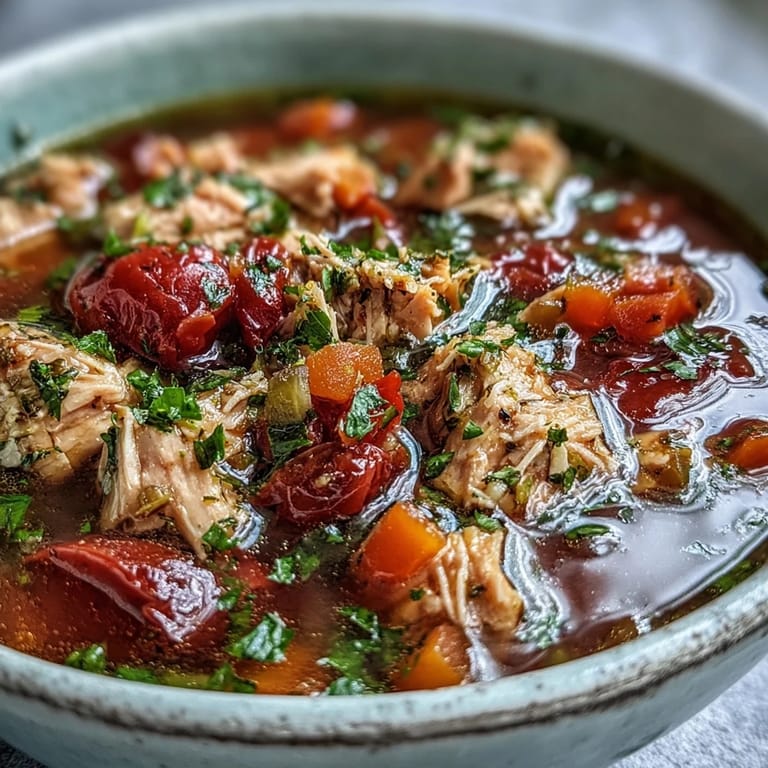
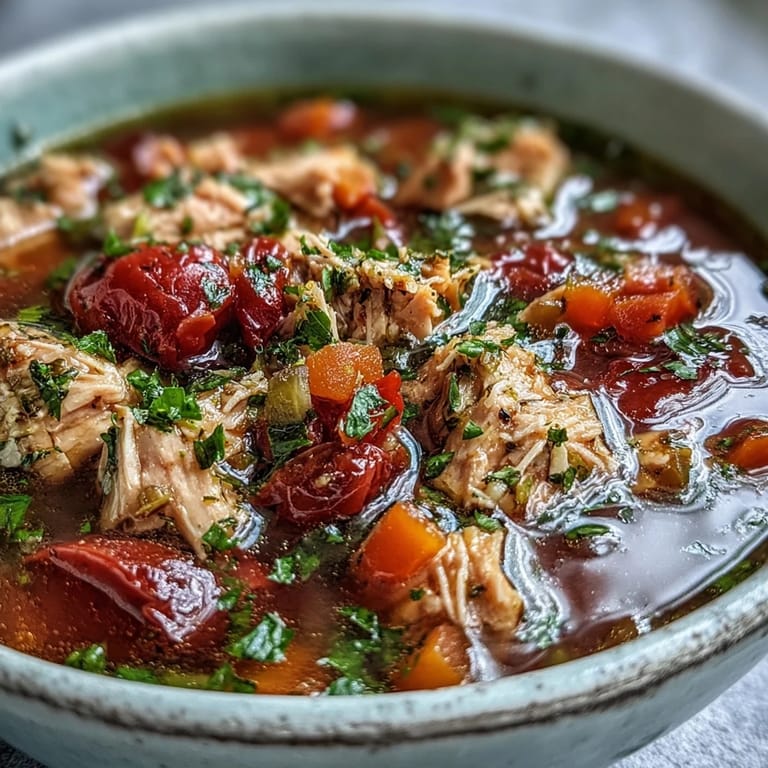
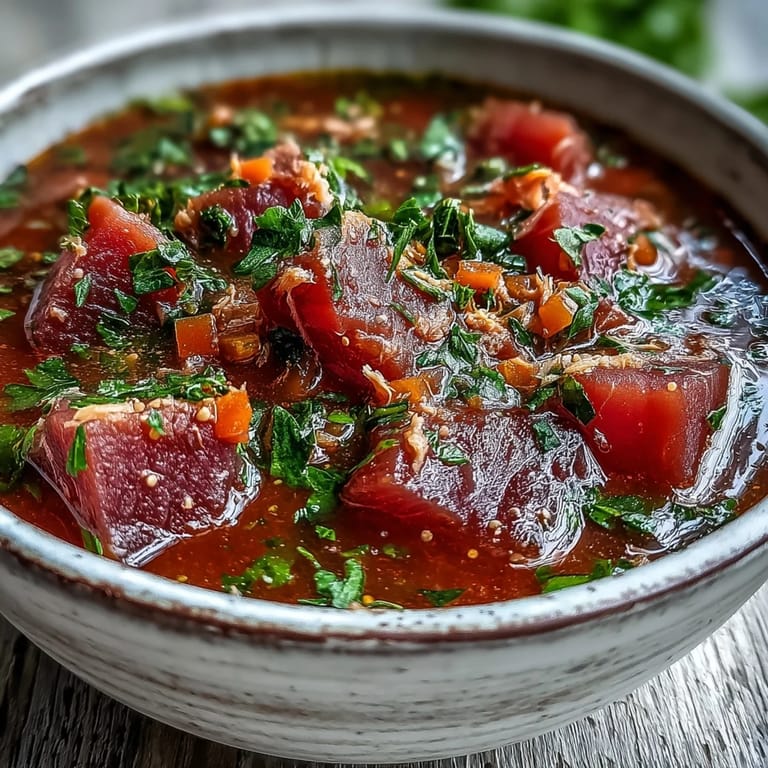
- Ladle into bowls, scatter fresh parsley or basil on top if you have it, and serve with crusty bread for dipping. The bread matters—it's where the soup becomes a complete moment.
 Pin it
  Pin it
 My daughter asked me once why this soup made her feel like we were eating in Italy, and I realized it's because I slow down when I make it. There's no rushing through the sautéing or shortcuts with the seasoning—just a few genuine ingredients and the time it takes for flavors to become something greater than their parts.
Timing and Flexibility
One evening I started making this soup at six o'clock and had dinner on the table by six twenty-five, which felt like witchcraft. The beauty of this recipe is that every step moves forward—there's no waiting around, no ingredients that need to come to room temperature, no fussing. If you're in an actual hurry, you can dice your vegetables while the oil heats, and you'll still be finished before you'd normally pour a glass of wine.
Building Flavor Without Heaviness
I used to think a satisfying soup needed cream or butter, but this one proved me wrong. The tuna provides protein and a subtle oceanic note, while the tomato and broth create body without any heavy richness. The herbs do most of the flavor lifting, making each spoonful taste bright rather than dense.
When You Want to Make It Your Own
This soup is a forgiving canvas if you know how to paint. I've added white beans for heartiness, a splash of lemon juice for sharpness, capers for a briny kick, and even small pasta shapes when I wanted something more substantial. The core recipe stays the same, but your instincts matter here.
- Stir in capers or a squeeze of fresh lemon juice just before serving for a flavor boost that feels intentional.
- Add small pasta like ditalini or orzo in the last few minutes if you want a heartier bowl that still cooks through.
- A pinch of red pepper flakes gives warmth without heat, so don't be afraid to add more than the recipe suggests if you like a little edge.
 Pin it
  Pin it
 This soup has become my quiet proof that good food doesn't require complicated choreography or a list of ingredients you've never heard of. It's there when you need it, tastes like more than the sum of its parts, and somehow makes a simple Tuesday evening feel like something worth sitting down for.
Recipe Q&A
- → Can I use fresh tuna instead of canned?
Yes, you can use fresh tuna. Sear it separately, flake it, and add it at the end. Canned tuna provides convenience and the oil adds flavor to the broth.
- → How can I make this soup heartier?
Add small pasta shapes like ditalini or orzo during step 5 and simmer until tender. You can also include white beans or chickpeas for extra protein and fiber.
- → What can I substitute for vegetable broth?
Chicken broth or fish stock work well as alternatives. For a richer flavor, use a combination of water and white wine with the broth.
- → How do I store leftover soup?
Store in an airtight container in the refrigerator for up to 3 days. Reheat gently on the stovetop, adding a splash of broth if needed to adjust consistency.
- → Can I freeze this soup?
Yes, this soup freezes well for up to 2 months. Cool completely before freezing. Thaw overnight in the refrigerator and reheat on the stovetop.
- → What herbs work best for garnish?
Fresh parsley or basil add brightness and color. You can also try fresh oregano, thyme, or a combination. Add just before serving to preserve their vibrant flavor.