 Pin it
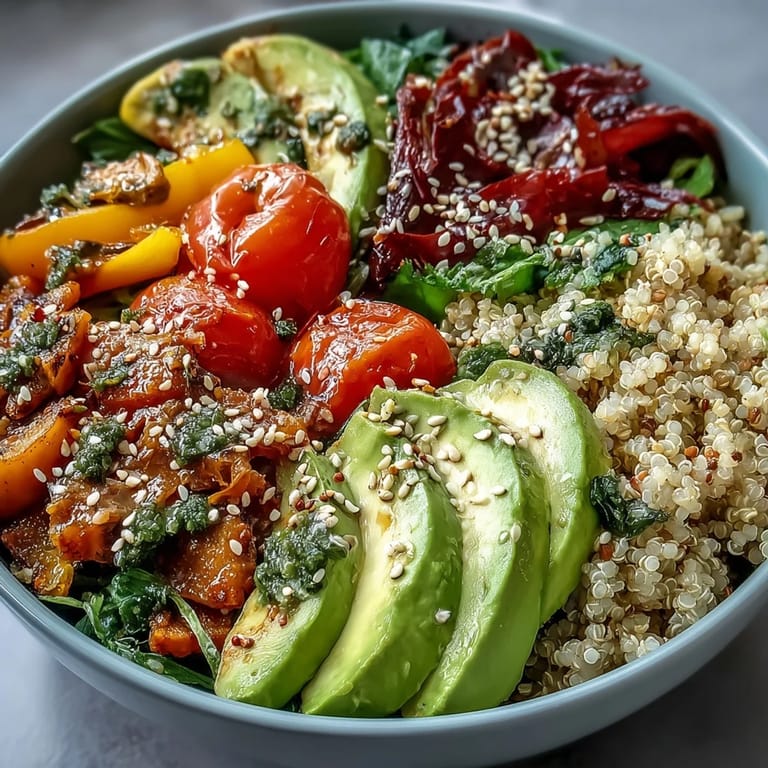
 There's something about a bowl that just makes you want to eat better. I was stuck in a rut of the same sad desk lunches when my neighbor mentioned she'd started making these rainbow bowls and suddenly had energy through her whole afternoon. One Saturday, I decided to give it a shot, and the moment I arranged all those colors in a bowl—the deep purple cabbage, golden carrots, bright tomatoes—I realized this wasn't just food, it was something that made me smile before I even took a bite.
I made these for my sister's book club, and honestly, I was nervous about serving something so colorful and health-conscious to people who usually go for brownies. But three people asked for the recipe before dessert was even served, and my sister still makes them twice a week now. That's when I knew this wasn't just another trendy bowl—it actually tasted as good as it looked.
Ingredients
- Quinoa: Always rinse it first under cold water—this removes the natural bitter coating and makes a huge difference in flavor and texture.
- Cooked chickpeas: If you're using canned, drain and rinse them well; if you cook your own, they have a creamier texture that feels more luxurious.
- Red cabbage: The deeper the purple, the fresher it is; slice it thin so it stays tender and absorbs some of the dressing flavor.
- Carrots: Julienning them (cutting into thin matchsticks) isn't just for looks—it makes them actually enjoyable to eat raw and speeds up any flavor absorption.
- Cherry tomatoes: Halving them instead of leaving them whole prevents them from rolling around your bowl like little rebellious marbles.
- Yellow bell pepper: The sweetness balances the earthiness of the greens; use any color you like, but yellow or orange feel lighter than red.
- Cucumber: Use English cucumbers if you can find them—fewer seeds, better texture, and they stay crisp longer.
- Fresh baby spinach: The raw leaves add a peppery note; if your spinach looks wilted, give it an ice bath for five minutes and it'll perk right up.
- Ripe avocado: Slice it just before serving or toss it lightly with lemon juice to prevent browning.
- Toasted pumpkin seeds: The toasting is key—it brings out a nutty depth that makes the whole bowl taste more intentional.
- Sesame seeds: A mix of white and black sesame looks striking and adds a subtle nutty flavor.
- Tahini: Buy the best quality you can find; cheap tahini tastes oddly bitter and changes the whole dressing.
- Lemon juice: Fresh squeezed brightens the dressing; bottled works but tastes flatter.
- Maple syrup or honey: The sweetness balances the tahini's earthiness and creates a dressing that feels complete rather than one-note.
Tired of Takeout? 🥡
Get 10 meals you can make faster than delivery arrives. Seriously.
One email. No spam. Unsubscribe anytime.
Instructions
- Rinse and measure your quinoa:
- Place it in a fine-mesh strainer and run cold water over it for about a minute while gently stirring with your fingers. You'll feel the slight grittiness wash away, and this step genuinely makes a difference in the final taste.
- Bring water to a boil and cook the grain:
- Add the rinsed quinoa and salt to boiling water, then immediately lower the heat to low and cover with a lid. The water should be gently simmering, not aggressively boiling; set a timer for exactly 15 minutes.
- Rest and fluff:
- After 15 minutes, remove the pot from heat and keep it covered for 5 minutes—this steam finishes the cooking without drying out the grains. Fluff gently with a fork; if you stir too vigorously, the quinoa gets mushy.
- Prep vegetables while quinoa cooks:
- Slice your cabbage thin with a sharp knife, julienne the carrots, halve the tomatoes, and slice everything else into bite-sized pieces. Having everything prepped and in separate bowls makes assembly feel organized rather than chaotic.
- Whisk together the dressing:
- In a small bowl, combine tahini, lemon juice, maple syrup, minced garlic, and a pinch each of salt and pepper, then whisk in water a tablespoon at a time until it's pourable but still creamy. The consistency should be like a thick yogurt sauce.
- Assemble with intention:
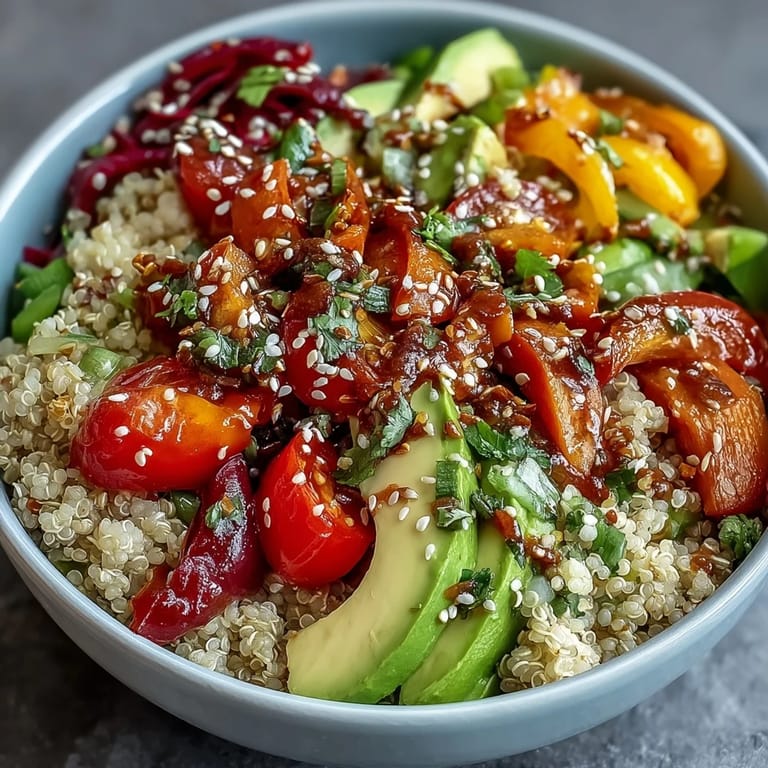
- Divide the quinoa among your bowls, then arrange each vegetable and the chickpeas in colorful sections radiating from the center—it looks beautiful and makes eating from the bowl feel deliberate. Avocado goes on last so it doesn't bruise.
- Dress and finish:
- Drizzle the tahini dressing over each bowl, letting it pool slightly in the center, then scatter the pumpkin and sesame seeds on top for crunch and visual pop.
 Pin it
 My favorite moment with these bowls was when my five-year-old niece actually sat down and ate every single vegetable without complaining—she was too distracted arranging everything in rainbow order to notice she was eating healthy food. That's when I realized this bowl does something beyond nutrition; it makes eating an experience worth paying attention to.
Swapping Proteins and Vegetables
The beauty of this bowl is that it's genuinely adaptable without falling apart. I've swapped the chickpeas for crispy baked tofu (press it first, cube it, toss with oil and spices, then roast at 400 degrees for 25 minutes), tempeh, or even grilled chicken if you're not vegetarian. The structure stays intact because the quinoa is substantial enough to anchor whatever you put on top. Sometimes I add roasted sweet potato chunks or steamed broccoli florets, and the bowl feels completely different while still being itself.
Making It Ahead
I pack these for lunches on Sunday and they stay fresh through Wednesday if you keep the components separated. Store the cooked quinoa in an airtight container, keep all the raw vegetables in separate containers in the crisper drawer, and store the avocado and dressing separately until you're ready to eat. On busy mornings, you just grab each container and assemble in two minutes—it's not quite as satisfying as building it fresh, but it still tastes genuinely good and beats any drive-through option.
Dressing Variations and Flavor Tweaks
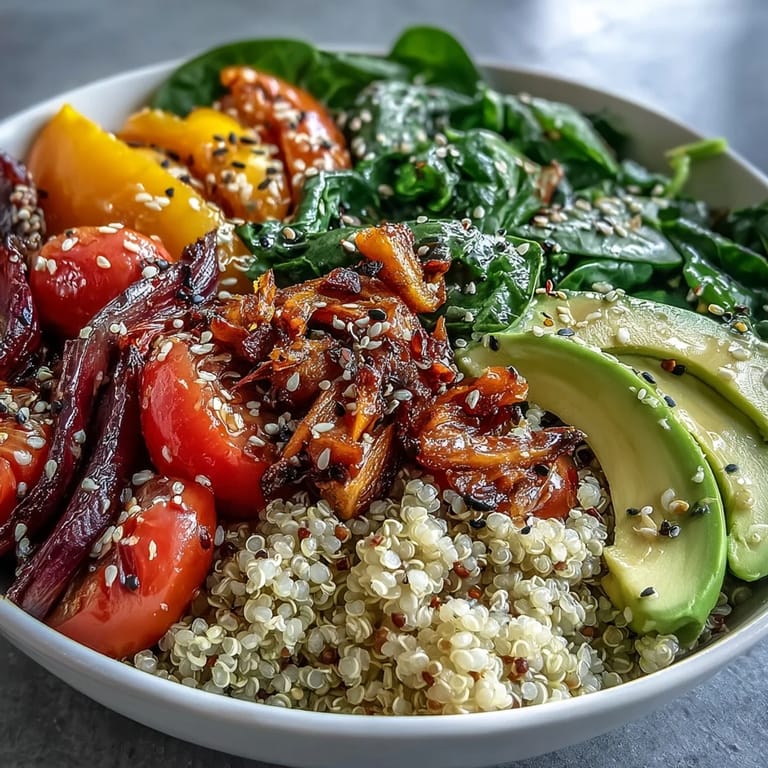
The tahini dressing is already balanced and beautiful, but I've discovered a few ways to shift the mood. For a spicy version, add half a teaspoon of sriracha or a pinch of chili flakes to the dressing and you get this warming heat that makes everything taste more alive. Sometimes I swap the maple syrup for a teaspoon of Dijon mustard for something earthier, or add a tiny bit of ginger if I'm feeling it. The point is the base tahini-lemon structure is strong enough to hold variations without becoming a completely different dish.
- Add sriracha or chili flakes for heat that builds as you eat.
- A squeeze of apple cider vinegar adds brightness if your lemon is lacking.
- Fresh herbs like cilantro or mint scattered on top change the whole character in the best way.
 Pin it
 This bowl became part of my regular rotation not because it's trendy or because I think I'm supposed to eat vegetables, but because it actually tastes good and makes me feel energized afterward. That's worth making again and again.
Recipe Q&A
- → Can I make these bowls ahead for meal prep?
Yes, these bowls meal prep beautifully. Store cooked quinoa, prepared vegetables, and chickpeas separately in airtight containers for up to 4 days. Add fresh avocado and drizzle with tahini dressing just before serving to maintain optimal texture and flavor.
- → What other grains work well in buddha bowls?
Brown rice, farro, bulgur, barley, or millet make excellent alternatives to quinoa. Each grain brings unique texture and nutritional benefits. Adjust cooking time accordingly and ensure grains are fully cooled before assembling your bowls.
- → How can I add more protein to this bowl?
Increase protein by adding grilled chicken, baked salmon, crispy tofu cubes, hard-boiled eggs, or edamame. You can also boost chickpeas to 1.5 cups or sprinkle hemp hearts and chopped walnuts for plant-based protein diversity.
- → Can the tahini dressing be made nut-free?
Replace tahini with sunflower seed butter for a similar creamy consistency and nut-free alternative. The flavor profile shifts slightly but still provides rich, savory notes that complement the fresh vegetables beautifully.
- → What vegetables can I substitute based on season?
Roasted sweet potatoes, steamed broccoli, shredded Brussels sprouts, sliced radishes, roasted beets, or sautéed kale work wonderfully in any season. Choose what looks freshest and most vibrant at your market for the best results.