 Pin it
 There's something almost magical about watching someone's face light up when they bite into a salad that actually tastes good. I learned this while standing in a friend's kitchen on a sweltering afternoon, surrounded by farmers market bags overflowing with vegetables that seemed to glow under the sunlight streaming through the window. She was stressed about hosting a dinner party, worried the meal would feel heavy in the heat, and I suggested we build something alive—something that tasted like summer itself. That's when this salad was born, and it became the thing everyone asked for.
I'll never forget the moment my partner took their first bite at that dinner party and closed their eyes like they were tasting something transcendent. They said, "This is what health feels like," and it stuck with me. Suddenly this salad wasn't just a side dish—it became a quiet statement that eating well could also mean eating something genuinely delicious, something you'd choose even if it wasn't healthy.
Ingredients
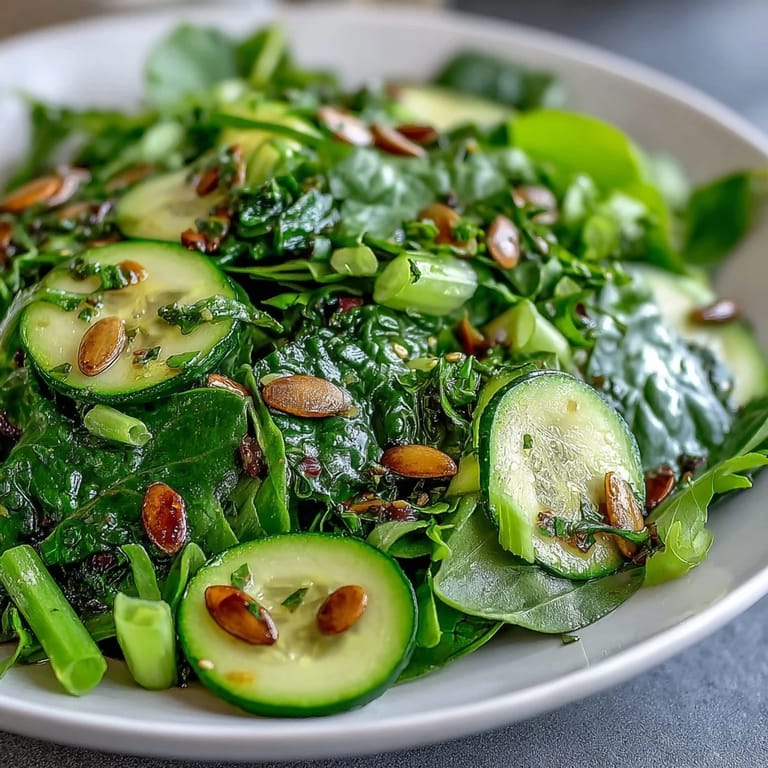
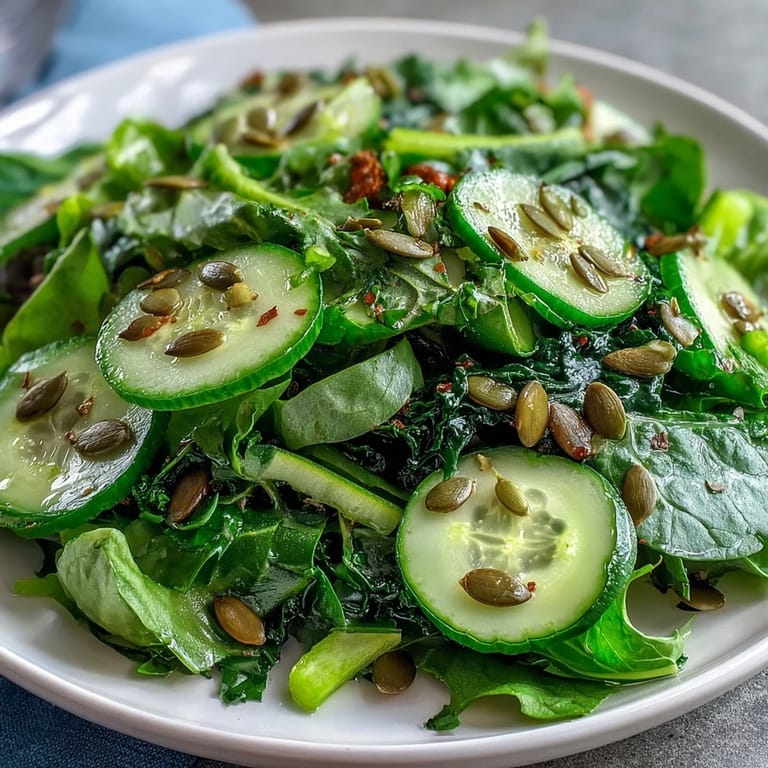
- Mixed baby greens: Use whatever combination speaks to you, but vary the types for depth—spinach's earthy, arugula's peppery bite, kale's sturdy chew, romaine's satisfying crunch all play together beautifully.
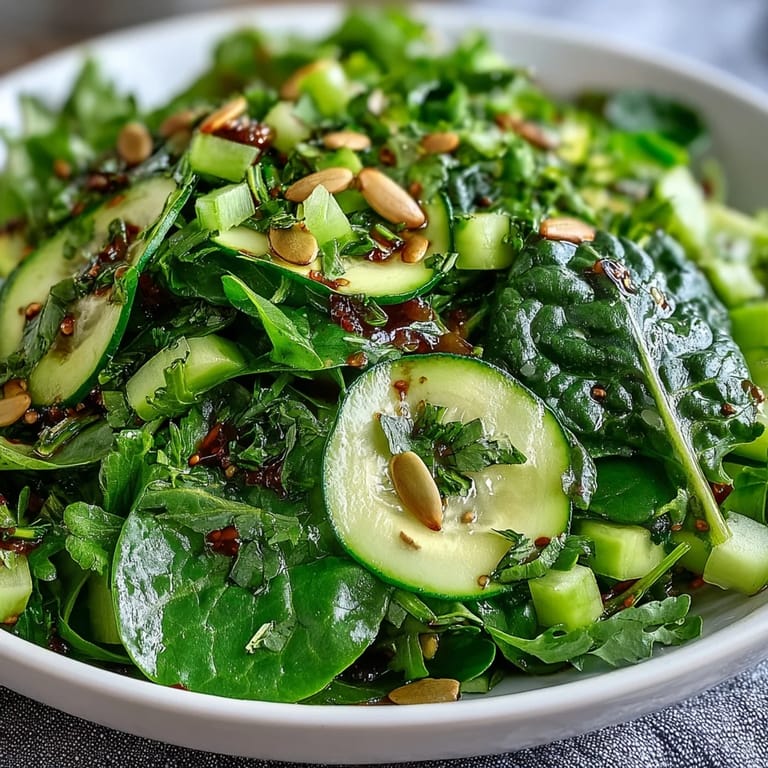
- Cucumber: Slice it thin so it stays crisp and soaks up the dressing without becoming waterlogged; this is where your knife skills actually matter.
- Celery: The unsung hero that keeps everything crunchy and adds a subtle sweetness most people don't realize comes from here.
- Green bell pepper: Julienne it (cut into thin matchsticks) because it distributes the flavor more evenly than chunks and looks more intentional.
- Zucchini: Raw and thinly sliced, it contributes hydration and a delicate flavor that doesn't compete with the greens.
- Fresh parsley: Don't skip this—it's the whisper of brightness that makes people ask what's different about your salad.
- Extra virgin olive oil: This is worth spending a few extra dollars on because it's your base and will taste like liquid gold when balanced right.
- Fresh lemon juice: Squeeze it yourself if you can; bottled just isn't the same and you'll taste the difference.
- Apple cider vinegar: The secret ingredient that adds complexity and prevents the salad from tasting one-note.
- Dijon mustard: Acts as an emulsifier and keeper of flavors, tying everything together with sophistication.
- Sea salt and black pepper: Finish grinding the pepper fresh right before serving—it makes an actual difference in how alive the salad tastes.
- Pumpkin or sunflower seeds: Optional but recommended; they add a nutritious crunch and toasted flavor that rounds out the whole experience.
Tired of Takeout? 🥡
Get 10 meals you can make faster than delivery arrives. Seriously.
One email. No spam. Unsubscribe anytime.
Instructions
- Gather your greens and vegetables:
- Wash and dry everything thoroughly because wet greens will slide right off your fork and dilute the vinaigrette. Arrange them in your largest salad bowl as you go, building a bed of greens first, then distributing the vegetables so every scoop will have a little of everything.
- Whisk the vinaigrette:
- In a small bowl, whisk the oil, lemon juice, vinegar, and mustard together until they emulsify into something glossy and cohesive—you'll see the transformation happen in about 30 seconds of steady whisking. Taste it before adding the salt and pepper; adjust the acid if you want it brighter or the oil if it feels too sharp.
- Dress gently and serve:
- Pour the vinaigrette over everything and toss with your hands or wooden spoons, being gentle enough that you're coating rather than bruising. Serve immediately so the salad stays crisp and alive on the plate.
 Pin it
 My mom asked for this recipe the next week, then made it for her entire book club, and suddenly I was getting texts from people I'd never met thanking me for "that green salad." It's become one of those dishes that feels humble and simple until you actually eat it, then you understand why someone would ask for the recipe at all.
The Architecture of a Good Salad
The best salads aren't just thrown together; they're built with intention. Think of your greens as the foundation, sturdy enough to support everything that comes after. The hydrating vegetables are the middle layer—they add bulk and nutrition without overwhelming the more delicate greens. The herbs and aromatics are the finishing touch that elevates it from decent to memorable. When you understand this structure, you can adapt the recipe to whatever you have on hand and it will still feel complete.
When Texture Is Everything
This salad lives or dies by its crunch. The moment those vegetables soften, the whole thing loses its appeal. I've learned that thinner slices of cucumber and zucchini stay crisper because they have less surface area to lose moisture. Celery is your insurance policy—it stays textured longer than anything else in the bowl, which is why some of the best salads rely on it as a background player.
Adapting This Salad Through Seasons
Summer calls for extra cucumber and herbs to cool you down from the inside. Spring wants fresh peas and tender lettuces. Fall begs for shredded carrots and the addition of apple slices if you're feeling adventurous. Winter is when you add hearty greens like kale and consider roasted seeds for warmth. The vinaigrette stays exactly the same year-round, but everything else shifts to meet the season—which is why this recipe never gets boring in my kitchen.
- Add sliced avocado or fresh mint for a tropical twist that transforms the whole mood of the salad.
- Substitute lime juice for lemon if you want something more assertive and bright, especially in warm months.
- Pair this with grilled fish or chicken to turn it into a complete meal rather than a side dish.
 Pin it
 This salad has become my answer to "what should I bring?" at every gathering, and it's taught me that simple, intentional food is what people actually remember. Make it once, and you'll understand why.
Recipe Q&A
- → How long does this salad stay fresh?
Best enjoyed immediately after dressing. Components can be prepped ahead and stored separately for up to 2 days—keep dressed portions refrigerated and consume within 4 hours for optimal texture.
- → Can I make substitutions?
Absolutely. Swap mixed greens for spinach or arugula, add sliced avocado for creaminess, or use lime juice instead of lemon. Fresh mint makes a lovely aromatic addition.
- → Is this suitable for meal prep?
Yes. Prepare washed vegetables and vinaigrette separately in airtight containers. Combine just before serving to maintain crispness and prevent sogginess.
- → What protein options work well?
Grilled chicken, baked salmon, or chickpeas complement beautifully. Tofu cubes or hard-boiled eggs also work for plant-based protein variations.
- → How do I store leftovers?
Store undressed portions in a sealed container with paper towel to absorb moisture. Keep vinaigrette separately in a jar—shake well before using.
- → Can I double the batch?
Certainly. Scale ingredients proportionally for larger gatherings. The vinaigrette quantity may need slight adjustment—taste and add more oil or acid as needed.