 Pin it
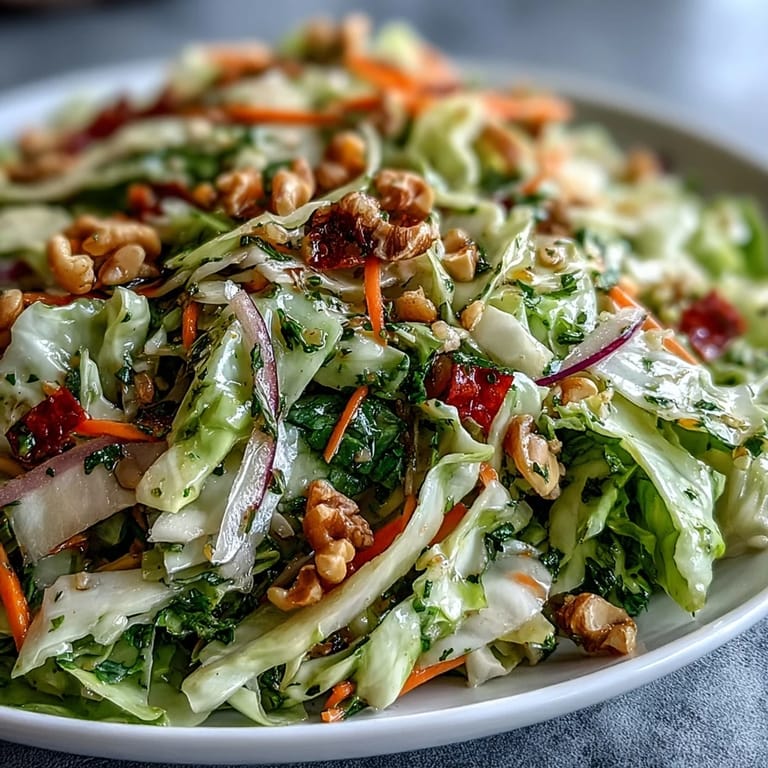
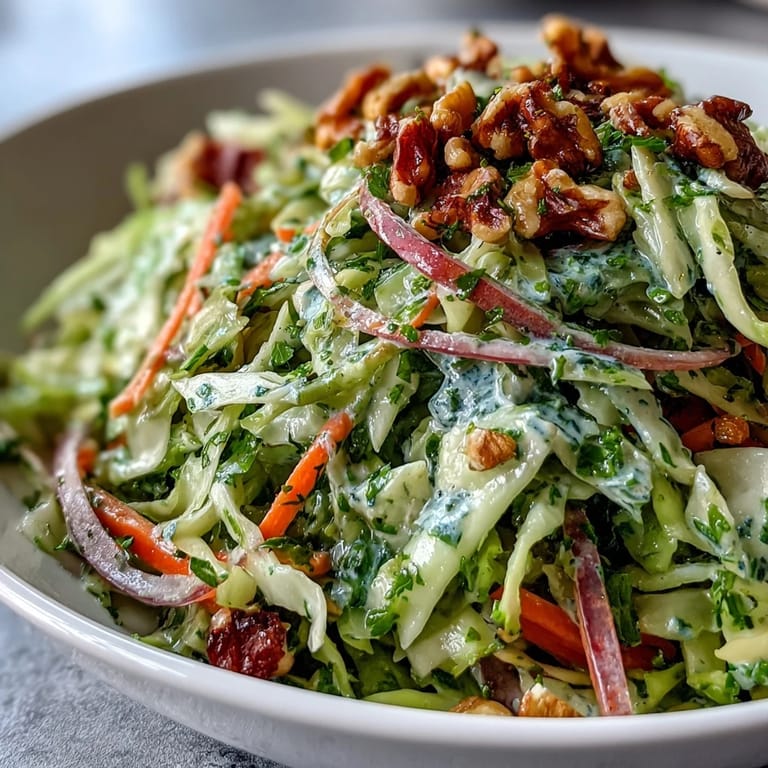
 Last spring, I found myself staring at a farmers market overflowing with cabbage and realized I'd been overlooking this humble vegetable for years. A vendor mentioned she always sautés hers first before making salad, and something clicked—why not combine warm, tender cabbage with crisp fresh vegetables and a tangy dressing? That simple suggestion led to this recipe, which has since become my go-to when I want something that feels both comforting and alive on the plate.
I made this for a dinner party last month where my friend Sarah had just gone vegetarian, and I watched her face when she tasted it—suddenly she wasn't mourning the absence of meat, she was genuinely excited about what was in her bowl. That's when I knew the cabbage wasn't just a side dish or filler; it had become the main event.
Ingredients
- 1 medium green cabbage (about 900 g), cored and thinly sliced: The core player here—sautéing it first mellows its raw bite and gives the whole salad a warmer, almost creamy texture that raw cabbage never delivers.
- 1 large carrot, peeled and julienned: Those thin strands catch the dressing beautifully and add natural sweetness that balances the vinegar's tang.
- 1 small red onion, thinly sliced: Keep the slices thin so they soften slightly when tossed with the warm cabbage but maintain their snap.
- 1 red bell pepper, thinly sliced: This brings both visual brightness and a subtle sweetness that rounds out the flavor profile without overpowering.
- 2 tbsp fresh parsley, chopped: Don't skip this—it lifts everything with a fresh, herbaceous note that ties the whole dish together.
- 3 tbsp extra-virgin olive oil: Use one you actually like the taste of since it's front and center in the dressing, not hidden in cooking.
- 2 tbsp apple cider vinegar: The acidity here is what makes the salad sing; it keeps things bright and cuts through the richness of the oil.
- 1 tbsp Dijon mustard: This acts as an emulsifier, helping the dressing coat every vegetable evenly and adding complexity you didn't know you needed.
- 1 tsp honey (or maple syrup for vegan option): Just enough to soften the vinegar's edge without making it sweet—trust me on this balance.
- 1/2 tsp sea salt and 1/4 tsp freshly ground black pepper: Season boldly here since vegetables need it, especially in a warm salad where flavors can flatten as it cools.
- 1/4 cup toasted walnuts or sunflower seeds (optional): If using, toast them yourself right before serving so they're still warm and fragrant.
- 30 g feta cheese, crumbled (optional): The slight saltiness and tang complement the cabbage without overpowering the dressing-forward flavors.
Tired of Takeout? 🥡
Get 10 meals you can make faster than delivery arrives. Seriously.
One email. No spam. Unsubscribe anytime.
Instructions
- Warm the cabbage into submission:
- Heat 1 tablespoon of olive oil in a large skillet over medium-high heat and add your sliced cabbage. Sauté for 4–5 minutes, stirring frequently, until it softens but still holds its vibrant color—you want it tender, not limp. This step is the secret to why this salad feels different from a standard raw slaw.
- Build your base:
- Transfer the warm cabbage to a large mixing bowl and add the carrot, red onion, bell pepper, and parsley while it's still warm. The heat will gently soften the onion and start carrying flavors through everything.
- Make the dressing sing:
- In a small bowl, whisk together the remaining 2 tablespoons olive oil, apple cider vinegar, Dijon mustard, honey, salt, and pepper. Whisk until it looks creamy and emulsified, which usually takes about 30 seconds of dedicated whisking—don't rush this part.
- Bring it all together:
- Pour the dressing over the vegetables and toss thoroughly, making sure every piece gets coated. Take a moment to taste and adjust the salt and vinegar if needed—this is when you course-correct.
- Let it rest and settle:
- Allow the salad to sit for 5 minutes at room temperature so the flavors can meld and the vegetables can soften just slightly. This resting period makes a noticeable difference in how cohesive the salad tastes.
- Finish and serve:
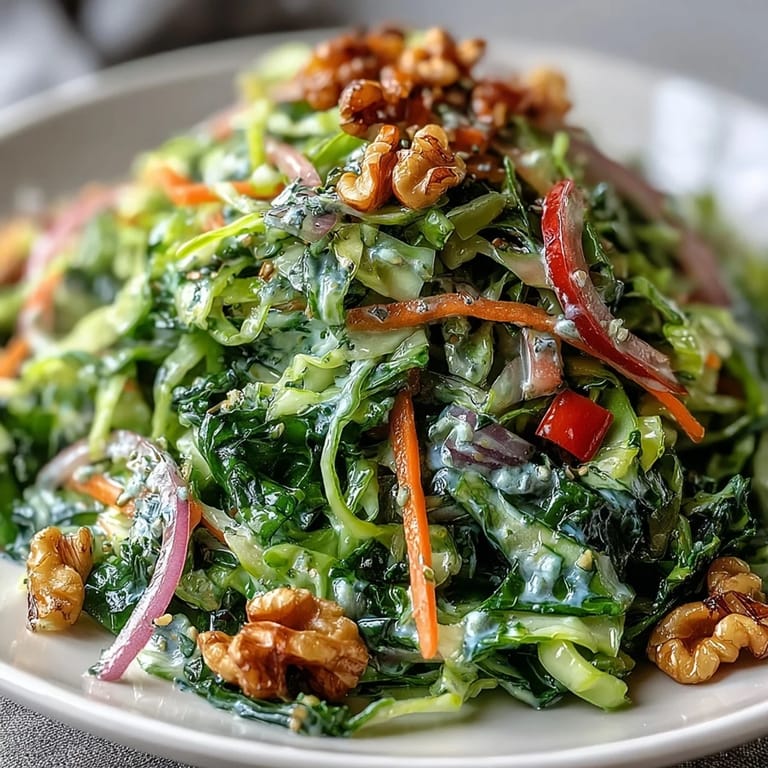
- Top with toasted nuts or seeds if using, and crumbled feta if you're including it. Serve warm or at room temperature—both are delicious, though I slightly prefer it warm when the dressing clings to everything.
 Pin it
 My partner brought home radishes from the market last week and I sliced them into the salad on a whim—their sharp crunch against the soft cabbage was so good I couldn't stop eating. Small moments like that have convinced me this recipe is less about following instructions perfectly and more about trusting your instincts with what's in your kitchen.
Why Sauté First
Most raw slaws lean into crunch and brightness, which is wonderful, but there's something deeply satisfying about a salad where the main vegetable has been gently cooked and softened. When you sauté the cabbage first, you're not making it mushy—you're coaxing out its inherent sweetness and creating a tender canvas that absorbs the dressing without becoming limp. The warm cabbage also acts like a sponge, pulling the flavors of the vinaigrette deeper into the salad so every bite tastes intentional.
Timing and Temperature
This salad is forgiving about temperature in a way that surprises people—it's genuinely good warm straight from assembly, and it's equally excellent at room temperature an hour later or even chilled the next day, though I'd let it come back to room temperature before serving to wake up the flavors. The five-minute rest after dressing is non-negotiable if you want the vegetables to truly marry with the flavors rather than sit as separate components. Don't stress about precision here; the point is to give it enough time to become a unified dish rather than a collection of ingredients.
Making It Your Own
The beauty of this recipe is how it accepts substitutions and additions without losing its soul—I've made it with shredded apple for sweetness, added a handful of pomegranate seeds for tartness, and even thrown in thinly sliced radishes or shredded beets for extra color and crunch. The dressing formula stays constant, but the vegetables are genuinely flexible, so work with what's fresh in your market or what's already in your crisper drawer. Trust your instincts and taste as you go, adjusting the vinegar or salt until it feels right for your version of this dish.
- If you add raw apple or radishes, slice them thin so they stay crisp and don't get lost in the warm cabbage.
- For a hearty version, toss in cooked grains like farro or quinoa while they're still warm for extra body.
- This salad pairs beautifully with roasted salmon, grilled chicken, or a creamy bean-based protein if you're keeping it vegetarian.
 Pin it
 This recipe has become my quiet favorite—the one I make when I want to feel grounded in my kitchen without fuss or performance. It's proof that sometimes the most memorable dishes aren't complicated, they're just thoughtful.
Recipe Q&A
- → Can I serve this salad cold?
Yes, this salad works well at room temperature or chilled. The flavors actually develop nicely after resting in the refrigerator for a few hours.
- → How do I prevent the cabbage from becoming mushy?
Sauté over medium-high heat for just 4-5 minutes, stirring frequently. You want the cabbage tender but still retaining some crunch and vibrant color.
- → What can I substitute for Dijon mustard?
Whole grain mustard or a mild yellow mustard work well. For a mustard-free version, increase the vinegar slightly and add a pinch of garlic powder.
- → Is this salad meal-prep friendly?
Absolutely. It keeps refrigerated for up to 2 days. Store the dressing separately if planning to make it ahead, and toss just before serving.
- → Can I use red cabbage instead?
Yes, red cabbage works beautifully and adds gorgeous color. Note that the cooking time may need slight adjustment as red cabbage can be a bit firmer.